

KDSBuilding Analysis: The Latest Vinyl Sliding Window from China and Its ENERGY STAR Ratings
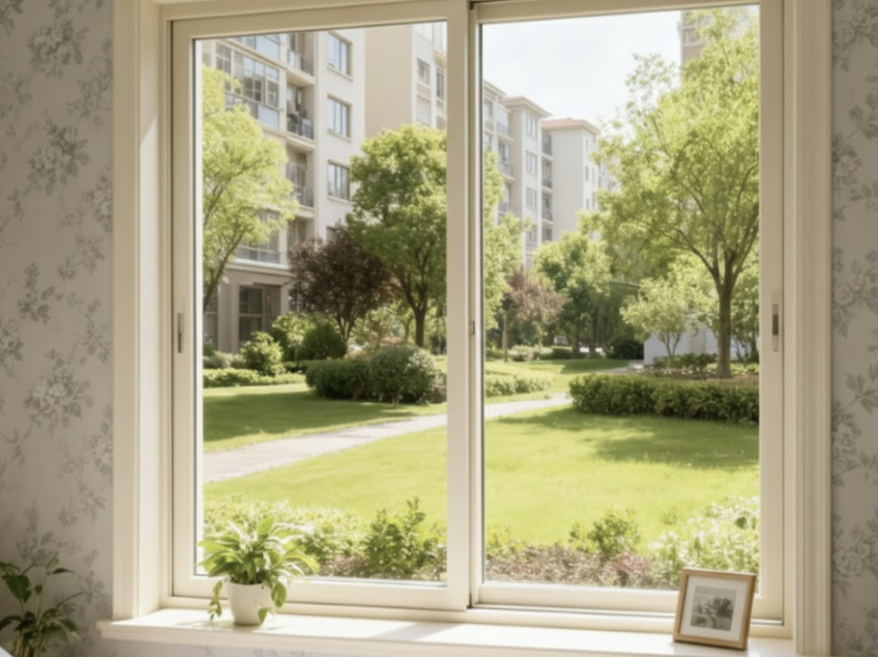
Xiamen KDSBUILDING Material Co., Ltd., a professional China-based manufacturer with over 15 years of export experience, has addressed this engineering challenge directly, focusing on optimizing the uPVC profile design, glazing specifications, and sealing technology to achieve certifications that validate superior thermal performance, most notably the widely recognized ENERGY STAR ratings.
Understanding ENERGY STAR and Fenestration Standards
The performance of a building’s fenestration system is arguably the single most critical factor in determining its long-term energy consumption profile. In response to global climate initiatives and the escalating cost of utilities, regulatory bodies worldwide have established rigorous benchmarks for thermal performance. For manufacturers seeking credibility and market access in North America, particularly the United States and Canada, achieving an ENERGY STAR rating is no longer optional—it is a foundational requirement demonstrating superior efficiency. The ENERGY STAR program, a joint initiative of the U.S. Environmental Protection Agency (EPA) and the U.S. Department of Energy (DOE), certifies products that meet strict energy efficiency criteria. The certification is based on specific climate zones, ensuring that a product is optimized for the regional conditions in which it will be installed, thereby providing verified cost savings for homeowners and commercial property managers.
Benchmarking Excellence: Decoding ENERGY STAR and NFRC
The authority of the ENERGY STAR rating is inextricably linked to the underlying technical data provided by the National Fenestration Rating Council (NFRC). The NFRC is an independent, non-profit organization that administers a standardized, third-party certification program for rating the energy performance of windows, doors, and skylights. This system ensures consumers and professionals have an accurate comparison of products based on three critical metrics:
U-factor (or U-value): This measures the rate of heat loss or gain through the product due to temperature differences between the indoors and outdoors. A lower U-factor indicates better insulation performance and lower energy costs. This metric is crucial for winter performance and is a primary requirement for ENERGY STAR qualification across all climate zones. The engineering challenge for sliding windows is to maintain a competitive U-factor relative to fixed or casement windows, which generally offer higher thermal resistance.
Solar Heat Gain Coefficient (SHGC): This measures how much solar radiation (heat) is admitted through a window. A lower SHGC is desirable in warmer climates to minimize air conditioning loads, whereas a higher SHGC may be beneficial in cold climates to maximize passive solar heating. ENERGY STAR sets different SHGC thresholds for each climate zone, demonstrating a nuanced approach to building science.
Air Leakage (AL): This measures the amount of air that passes through the sealed joints of a window. Since sliding windows rely on a sweep seal rather than compression, minimizing air leakage is paramount for achieving a high-performance rating. Lower AL values directly translate into better sound attenuation and reduced drafts, enhancing occupant comfort and reducing infiltration energy losses.
Engineering High-Performance Fenestration: Core Technology Driving Efficiency
Achieving the high thermal and air-tightness standards required for ENERGY STAR in a sliding window configuration necessitates advanced material science and precision engineering. The core technology in KDSBuilding’s latest offering resides in three integrated areas: the uPVC profile construction, the specialized glazing unit, and the sophisticated sealing system.
Advanced uPVC Material Science and Multi-Chamber Frame Design
Polyvinyl Chloride, or PVC, in its unplasticized (uPVC) form, is inherently a low-conductivity material, making it an excellent choice for thermal isolation. Unlike aluminum, which is a highly conductive metal and requires complex thermal break systems, uPVC naturally minimizes heat transfer. KDSBuilding’s uPVC profiles are not simply solid blocks of plastic; they are complex, multi-chamber extrusions. The concept of the multi-chamber design is fundamental to its success. By dividing the window frame and sash components into multiple enclosed air pockets (chambers), the design creates a tortuous path for heat flow (convection, conduction, and radiation). Air, being a poor conductor of heat, is trapped within these chambers, substantially improving the overall U-factor of the frame structure.
Furthermore, for enhanced structural stability, especially in large-format windows or those subject to high wind loads, the uPVC profiles are reinforced with galvanized steel inserts. This steel reinforcement ensures the window maintains its geometric stability and dimensional accuracy over years of operation, preventing the warping or deformation that could compromise the integrity of the crucial weather seals.
Optimized Glazing Units for Solar Heat Control
While the frame provides perimeter insulation, the glass unit typically accounts for the largest surface area of the window and thus presents the greatest challenge for energy management. KDSBuilding utilizes high-performance Insulated Glass Units (IGUs), typically employing a double-glazed configuration. Crucially, these IGUs often incorporate Low-Emissivity (Low-E) coatings. These microscopically thin, virtually invisible metallic layers are applied to one or more glass surfaces to reflect long-wave infrared energy (heat) while allowing visible light to pass through. By reflecting internal heat back inside during winter and external solar heat back outside during summer, the Low-E coating dramatically lowers the U-factor and controls the SHGC.
To further enhance the thermal performance, the air space between the two panes of glass is sealed and often filled with an inert gas, such as Argon. Argon gas is denser than air and offers lower thermal conductivity, which reduces heat transfer by conduction and convection within the glass unit cavity. The combination of multi-chamber uPVC profiles, Low-E coatings, and gas fills is what elevates KDSBuilding’s products to the demanding ENERGY STAR performance thresholds.
The Precision of Sealing and Operation
In sliding windows, the sealing mechanism is critical for meeting Air Leakage (AL) requirements. KDSBuilding addresses this with a dual-action approach:
Airtight Sealing Design: Utilizing precision-engineered gaskets, brush seals, and multi-point locking systems, the window achieves an airtight seal when closed. The design focuses on robust weatherstripping around the perimeter and the meeting rail (where the two sashes overlap) to effectively block wind, rain, and dust infiltration.
Smooth Gliding Mechanism: High-quality, precision-engineered rollers and tracks ensure that the sashes glide effortlessly and smoothly. This smooth operation is vital because it reduces wear and tear on the weatherstripping, guaranteeing the longevity and performance of the airtight seals over the window’s service life. The minimal maintenance requirements stemming from durable PVC and reliable hardware contribute significantly to the total cost of ownership.
Conclusion: A Synthesis of Technology, Compliance, and Trust
The latest Vinyl Sliding Window from Xiamen KDSBUILDING Material Co., Ltd. is more than just a functional component; it is a meticulously engineered solution that reflects a deep understanding of global energy efficiency mandates and modern architectural needs. For architects, engineers, and developers prioritizing superior craftsmanship, stable performance, and verifiable energy savings, KDSBuilding offers a practical, high-value proposition for the next generation of sustainable building projects.
For further information on our complete range of high-end windows, doors, and building material solutions, please visit our official website: https://www.kdsbuilding.com/
XIAMEN KDSBUILDING MATERIAL CO.,LTD
XIAMEN KDSBUILDING MATERIAL CO.,LTD
+ +86 13459252158
ken@kdsbuilding.com
Legal Disclaimer:
EIN Presswire provides this news content "as is" without warranty of any kind. We do not accept any responsibility or liability for the accuracy, content, images, videos, licenses, completeness, legality, or reliability of the information contained in this article. If you have any complaints or copyright issues related to this article, kindly contact the author above.
