

Gender-Specific Hormones Impact Oral Health, With Implications for Trans-Gender Therapies
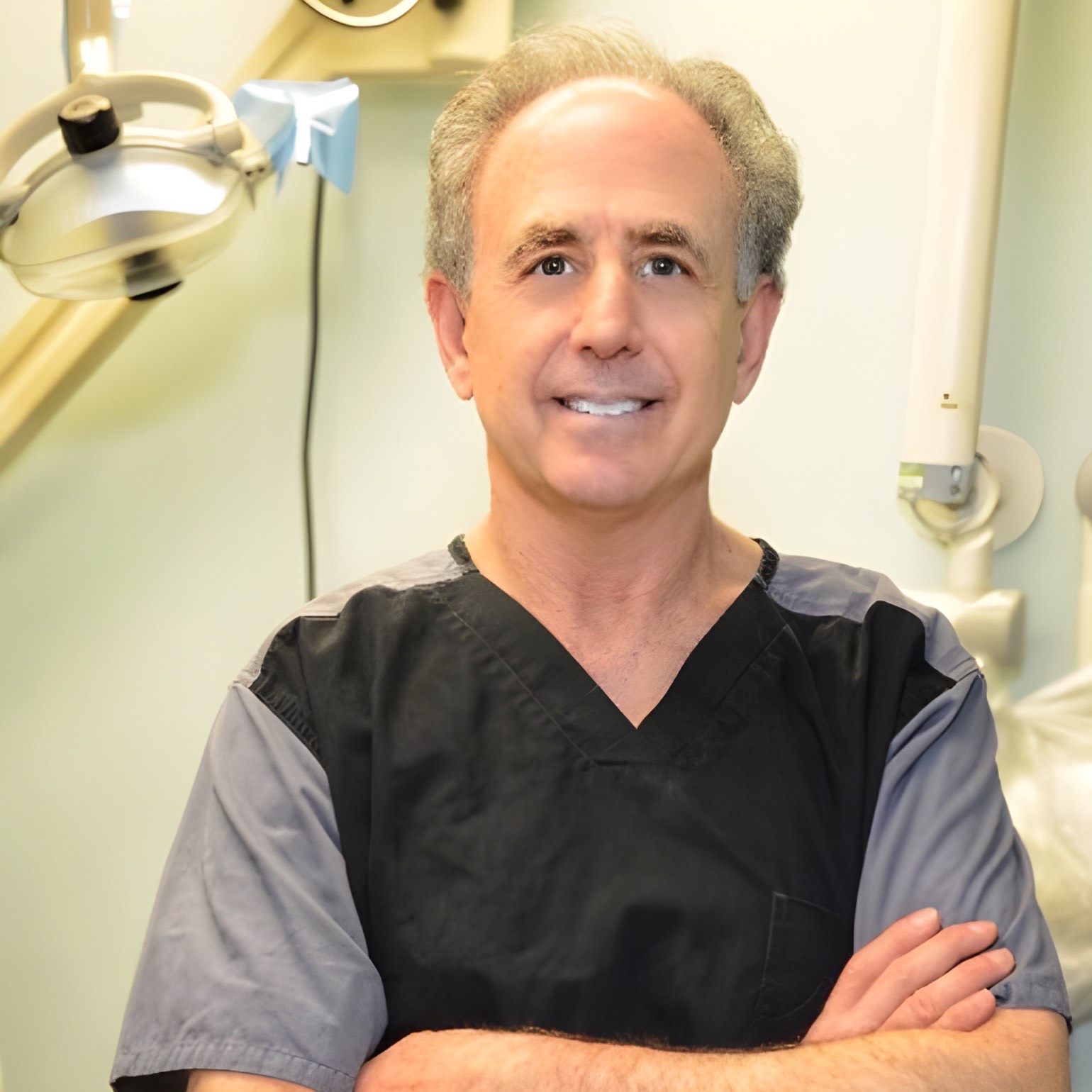
Dr. Robert A. Horowitz, DDS
New dental journal publication highlights impacts, risks, and actions of gender-specific hormones
Changes in the oral environment from transgender hormone therapy can spark systemic inflammation because detrimental bacteria in the mouth can move into the bloodstream through inflamed gum tissue.”
SCARSDALE, NY, UNITED STATES, February 26, 2026 /EINPresswire.com/ -- Gender-specific hormones, which fluctuate naturally over the lifespan and also can be administered as part of medical and gender-affirming therapy, can affect various aspects of health throughout the body. A recent article in the dental journal Cureus discusses how gender-specific hormones can negatively impact dental health, the development of oral biofilm, and systemic disease, and suggests actions to lessen the impact. The impact of female and male hormones on oral health is becoming better understood, and this can have implications for women and men during their lifecycle and when receiving hormone-related therapies, as well as for individuals undergoing gender-affirming hormone therapy.— Dr. Robert A. Horowitz
Oral biofilm is a dense, multi-species microbial community that can form on teeth, gums, and other oral surfaces. It is the main cause of periodontal (gum) disease and can contribute to conditions such as cardiovascular disease, diabetes, and respiratory illness. Research summarized in the new publication by Scarsdale, NY, periodontist Dr. Robert Horowitz, DDS, and his dental and medical colleagues shows how the effects of natural hormone changes can negatively affect the oral environment and therefore systemic health.
“Changes in levels of the female hormones estrogen and progesterone as part of the natural aging process can alter the blood vessels, immune response, and microbial environment in gum tissue, leaving gum tissue more vulnerable to inflammation and disease,” explains Dr. Horowitz. “The gum tissue response to bacterial accumulation and inflammation from fluctuations in female hormones has been well-studied in puberty, pregnancy, and menopause. We expect to see similar oral health implications for individuals undergoing transgender hormone therapy, and this is an area that is much newer and more groundbreaking.”
The authors point out that when a person receives estrogen therapy, the body’s immune system responses and inflammation in blood vessels resemble those seen in times of natural female hormone fluctuation, such as pregnancy and menopause. In contrast, when a person receives testosterone, saliva flow can decrease, upsetting the balance of bacteria in the mouth. Gum tissue can atrophy and contribute to loss of bone in the jaw.
“The changes in the mouth environment from hormone fluctuations and hormone therapy, whether in women, men, or individuals going through gender-affirming hormone therapy, can spark inflammation throughout the body because detrimental bacteria in the mouth can move into the bloodstream through inflamed gum tissue,” says Horowitz. “The invasion of harmful bacteria in combination with the body’s natural immune reaction can affect organs and contribute to heart disease, diabetes, and metabolic disorders.”
The article in Cureus stresses the importance of collaboration to protect oral and overall health among dental and medical professionals treating those undergoing natural and drug-mediated changes in the body's sex hormone levels. Horowitz notes that “for the best health outcomes, preventive and personalized dental care should be tailored to the life stage of the individual and any hormone therapy they are receiving, whether to support naturally occurring hormone levels or as part of gender-affirming hormone therapy. Regular dental care and establishment of an honest and respectful ongoing relationship between the patient, dental professional, and medical professional is essential for long-term health.” Horowitz and his colleagues look forward to continued research on and greater awareness regarding prevention and treatment of oral diseases resulting from hormonal changes and that can impact the entire body.
Robert A. Horowitz, DDS
Robert A. Horowitz, DDS
+1 914-723-3366
email us here
Visit us on social media:
LinkedIn
Facebook
Other
Legal Disclaimer:
EIN Presswire provides this news content "as is" without warranty of any kind. We do not accept any responsibility or liability for the accuracy, content, images, videos, licenses, completeness, legality, or reliability of the information contained in this article. If you have any complaints or copyright issues related to this article, kindly contact the author above.
