
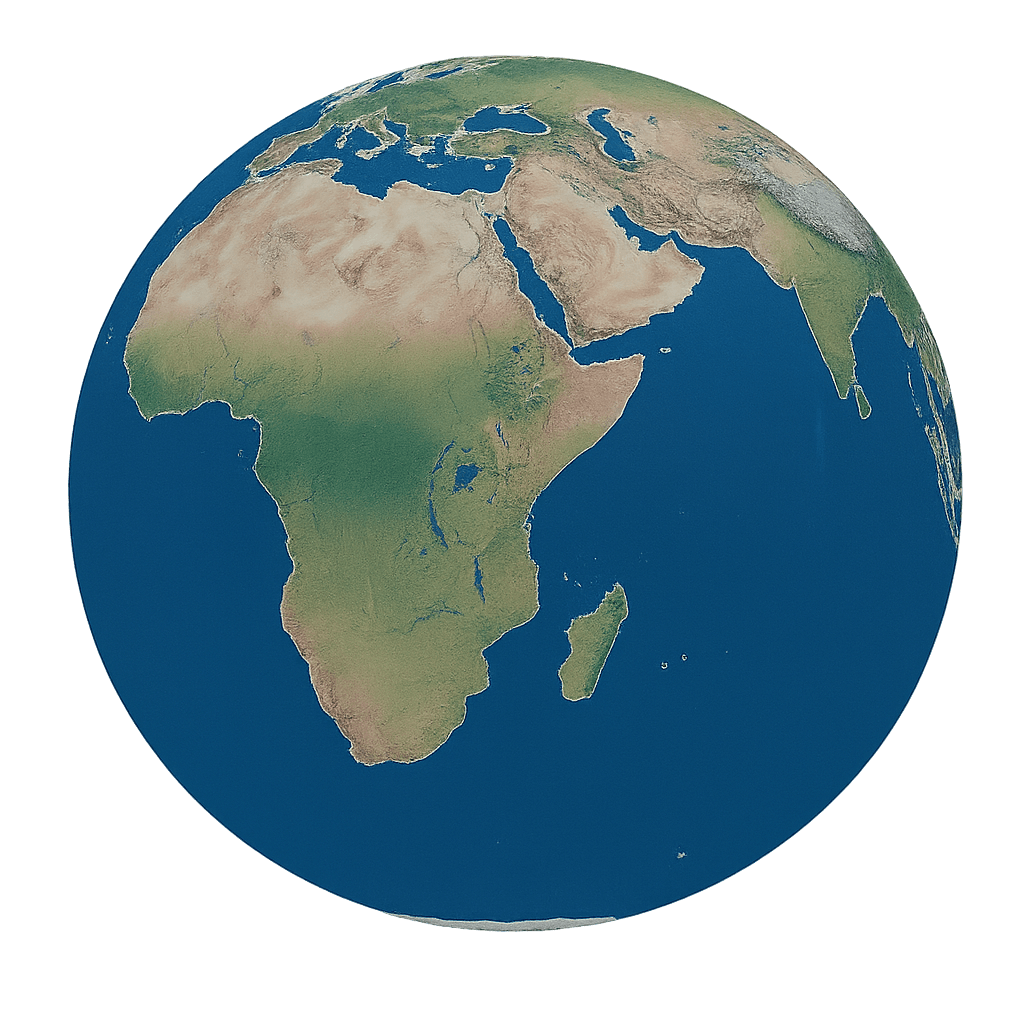
The Appeal of Niigata, a Globally Recognized Wetland City
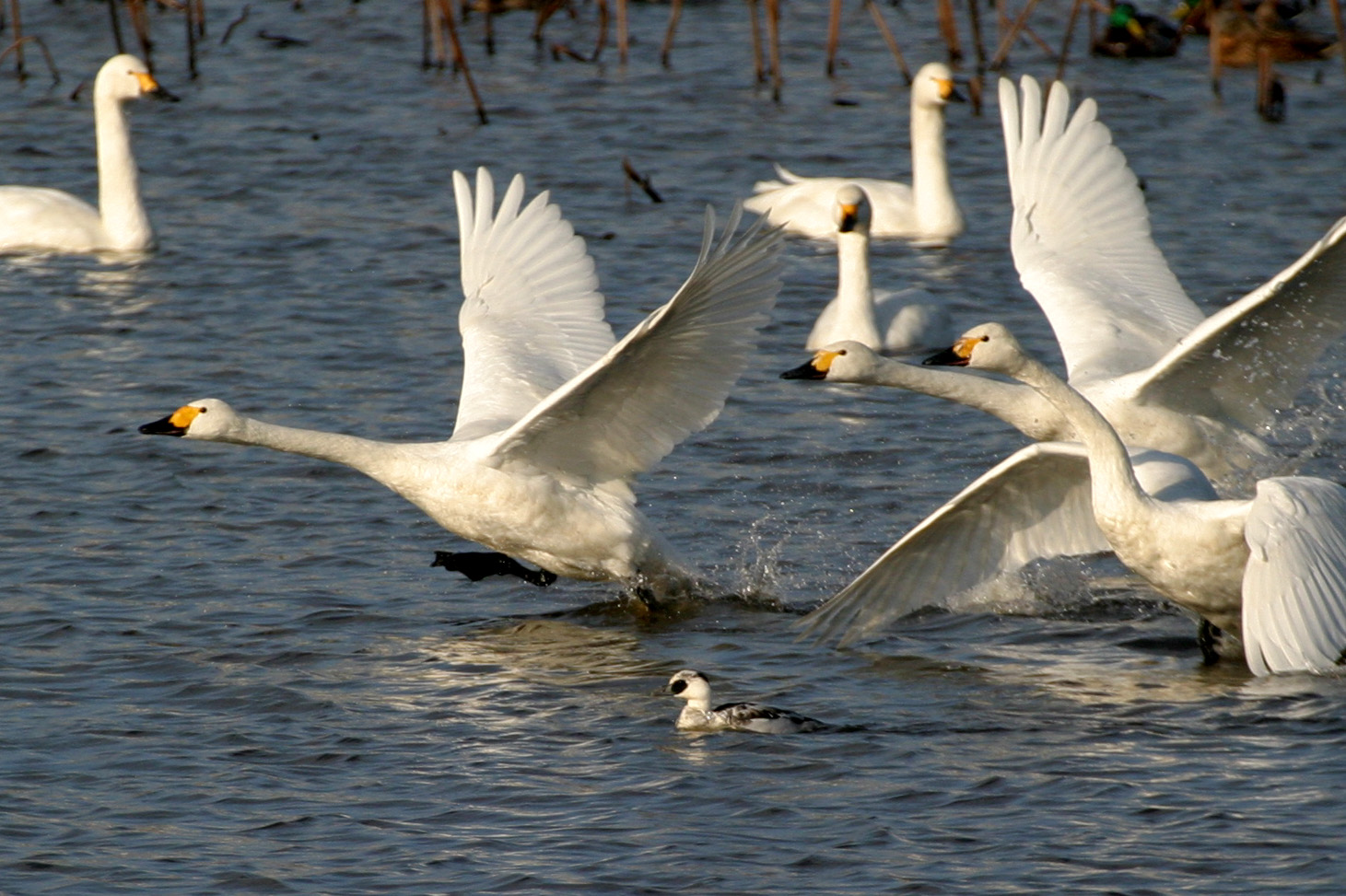
Swans Taking Flight at Sakata Lake
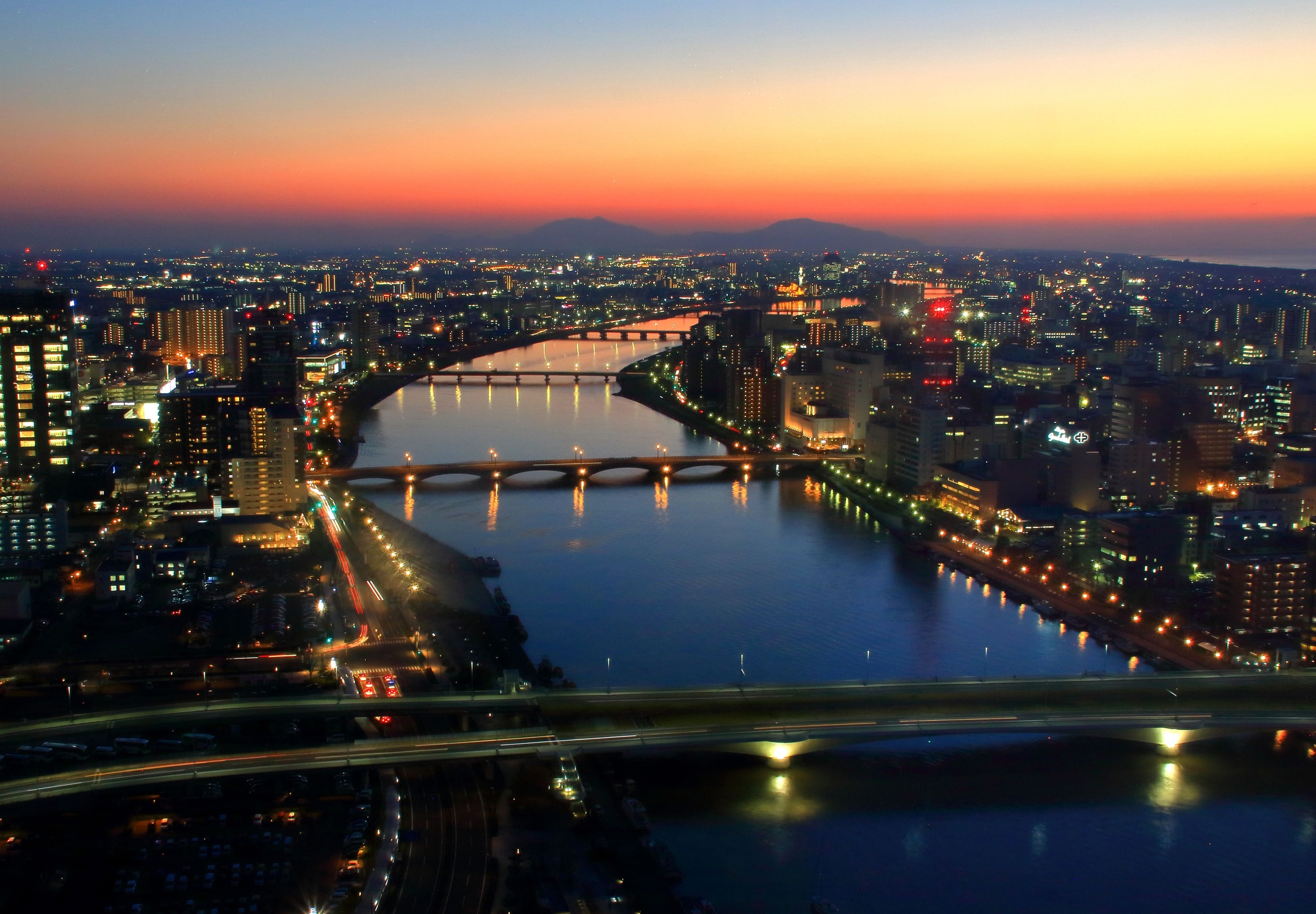
Niigata City at Dusk
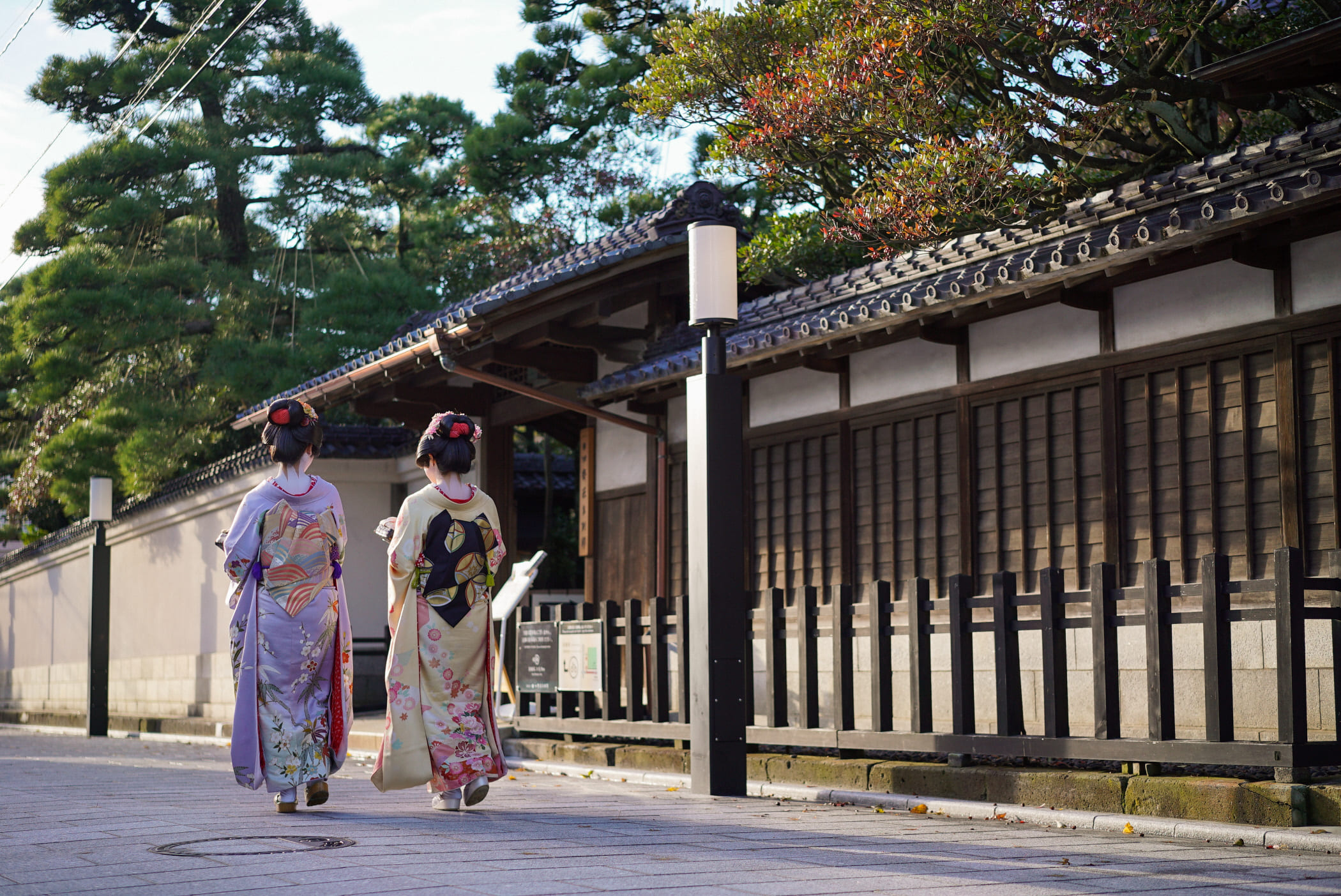
The Niigata Furumachi Geigi Performing Traditional Arts District
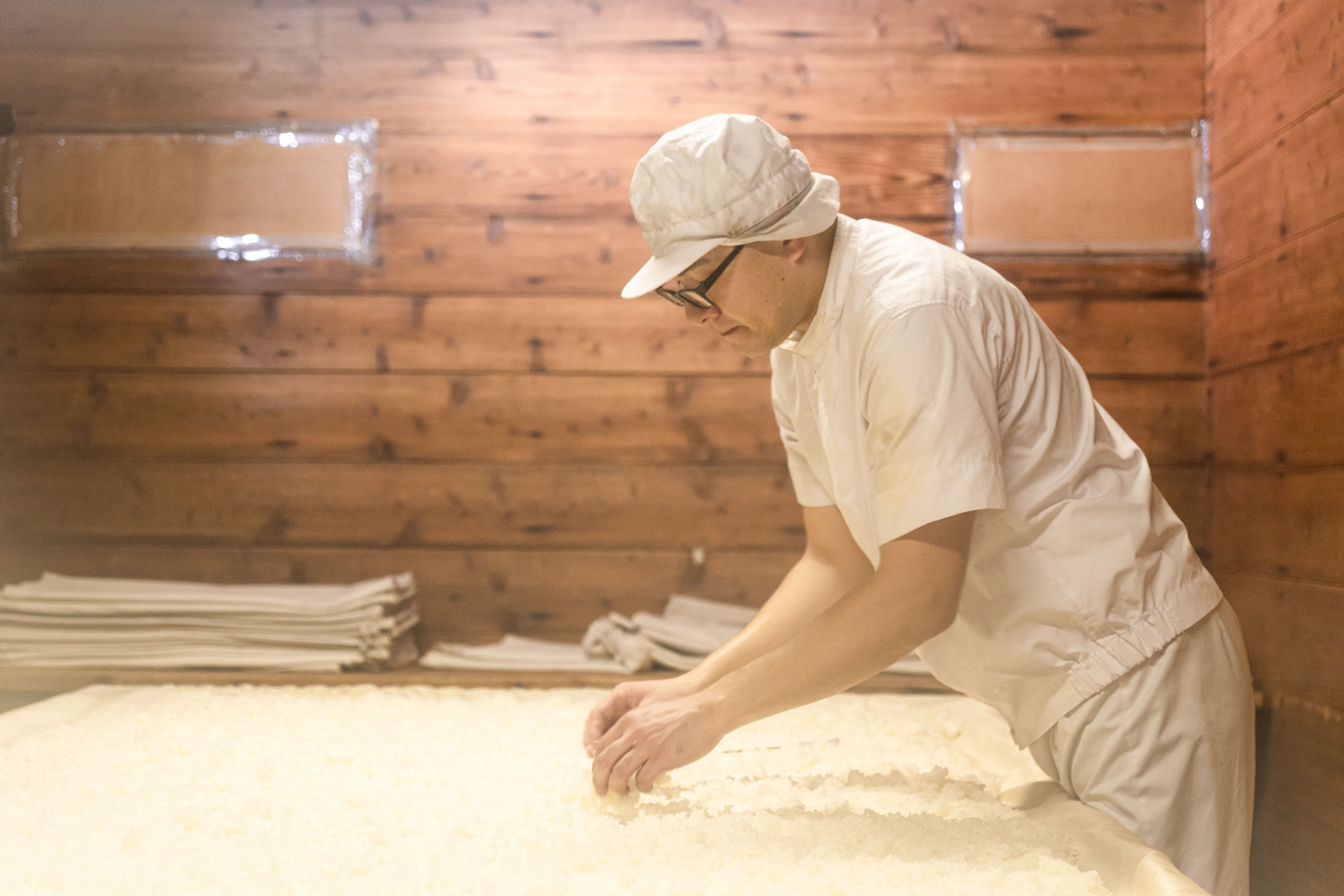
Sake Brewing at Imayotsukasa Sake Brewery
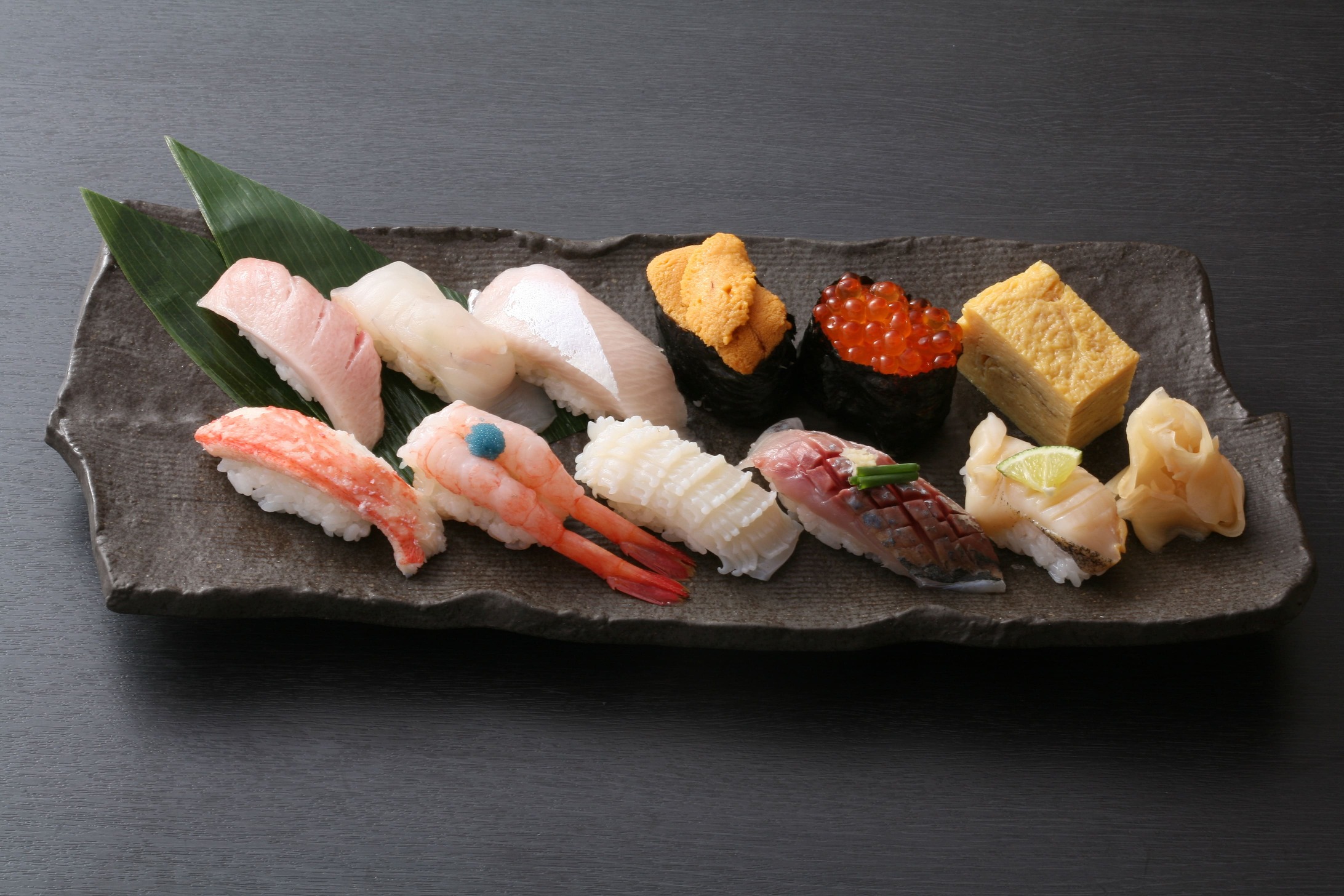
Sushi Featuring Fresh Seafood from the Sea of Japan
Discover Niigata City’s unique character and attractions, shaped by the rich waterside and wetland environments of Ramsar-accredited Wetland City NIIGATA.
NIIGATA CITY, NIIGATA, JAPAN, July 3, 2026 /EINPresswire.com/ -- Niigata City combines the functions of a major urban center facing the Sea of Japan with abundant natural environments, including rivers, lakes, rural landscapes, and satoyama woodlands. It’s rich waterside and wetlands environments serve as one of the world’s leading wintering grounds for swans, creating some of the city’s most distinctive seasonal scenery.
These natural assets, together with the bounty of the Sea of Japan, have fostered a wide range of local traditions and attractions, including regional cuisine, sake, port-town culture, and the culture of prosperous farming estates. In recent years, Niigata ramen as well as manga and anime have also gained increased attention. This release introduces the unique character, attractions and highlights of Wetland City NIIGATA, where urban life and nature coexist.
1. One of world’s Most Important Wintering Areas for Swans
Swans are among the most familiar waterbirds in Niigata City, where numerous lakes and wetlands located close to residential areas serve as their winter roosting grounds. More than 10,000 swans migrate to the city each year, making it one of world’s most significant wintering areas for these birds and creating one of the region's most recognizable winter landscapes.
The swan has been designated as Niigata City's official bird and is deeply cherished by local residents. Japan lies along the East Asian–Australasian Flyway, one of the world's major migratory bird routes, and many waterbirds travel annually from Siberia to spend the winter in Niigata.
Swans are known for their strong pair bonds and family-oriented behavior. After spending the night on lakes and wetlands, they can often be seen moving their necks in unison before running across the water to gain enough speed for takeoff. During the day, they forage in nearby rice fields, feeding on leftover grain and regrowth from harvested crops before returning to their roosting sites at dusk.
Niigata's winter climate provides favorable conditions for these birds. Frequent rain and snow keep rice fields moist, making it easier for swans to feed, while the city's coastal location means that many lakes and wetlands remain unfrozen throughout the season.
Approximately 44 percent of Niigata City's area consists of wetlands, including rice paddies. Swans can be observed throughout the city, and visitor centers at locations such as Sakata Lake and Fukushimagata Lake attract many visitors interested in observing swans and other waterbirds at close range.
2. The Many Attractions Shaped by a Waterside Environment
Niigata City is the only ordinance-designated city on the Sea of Japan coast of Honshu, the main island of Japan. Located at the mouth of the Shinano River, Japan's longest river, it has flourished for centuries as a historic port city.
During the Edo period, Niigata prospered as a port of call for Kitamaebune trading ships and later became one of Japan's five treaty ports opened to international trade. Reminders of this maritime heritage can still be found throughout the city today.
Niigata is also one of Japan's leading rice-producing regions. Across the Echigo Plain, rice paddies fill with water during planting season, reflecting the sky and creating expansive seasonal landscapes.
From beaches overlooking sunsets over the Sea of Japan to lagoons and mountain scenery that reminiscent of traditional rural Japan, Niigata City offers a diverse range of natural and cultural attractions where its port-town heritage and agricultural landscapes coexist.
Places Where Time-Honored Traditions Endure
With more than 150 years of history as an international port, Niigata has developed a culture shaped by openness, exchange, and the continuous transmission of local traditions.
The Niigata Furumachi Geigi
The Furumachi geisha district has a history spanning more than 200 years. Through refined performances and hospitality traditions, The Niigata Furumachi Geigi continue to preserve the cultural heritage of the city's historic entertainment district.
The Niigata Saito Vila
Originally built as a villa for the prosperous Saito merchant family, this estate features a strolling garden and examples of modern Japanese-style architecture that reflect the wealth and influence of Niigata's merchant culture.
Niigata City History Museum (Minatopia)
The museum exhibits historical materials and preserved buildings, including the former Niigata Customs House, offering insights into the city's development as an international port.
Northern Culture Museum
Once the residence of the Ito family, a prominent landowning family in Echigo, the museum preserves and showcases aspects of their historical lifestyle and cultural legacy.
Iwamuro Onsen
With a history of approximately 300 years, Iwamuro Onsen is Niigata City's only hot spring resort area. According to local legend, the spring was discovered when an injured wild goose was seen bathing in its waters.
Traditional Skills and Cultural Experiences
As a thriving port city, Niigata absorbed technologies and cultural influences from across Japan, many of which evolved into traditions uniquely regional and continue to develop today.
Sake Breweries
Niigata's abundant water and rice-growing environment have supported the development of numerous sake breweries. Generations of craftsmanship continue to be refined and preserved at each brewery.
Miso Breweries
Salt and soybeans transported by ship combined with locally produced rice, helped establish and develop Niigata's fermentation culture.
Niigata Lacquerware
Known for its wide variety of decorative coating techniques, Niigata lacquerware reflects the creativity and craftsmanship of generations of artisans.
Shirone Giant Kite Battle
This dynamic festival features enormous handcrafted kites that are maneuvered into aerial battles above the river, creating a spectacular display of traditional artistry.
Wara Art
Rice straw, once widely used in everyday life, has found new expression through large-scale straw sculptures that have become a distinctive feature of autumn in Niigata City.
Culinary Traditions Shaped by Nature
Niigata City's culinary culture has developed through the interplay of a varied climate, fertile land, abundant water resources, and the bounty of the Sea of Japan.
Sake Culture
The Echigo Plain, nourished by major rivers, is one of Japan's foremost rice-producing regions. High-quality rice and abundant water have supported the development of Niigata's renowned sake culture.
Distinctive Local Japanese Dishes
One example is hegi soba, a regional buckwheat noodle dish made with seaweed as a binding ingredient and traditionally served in large wooden trays called hegi.
Seafood from the Sea of Japan
Niigata City's coastal location provides access to a wide variety of seasonal seafood and locally caught fish throughout the year.
Wine
The Niigata Wine Coast, home to five wineries, produces wines that reflect the distinctive character and craftmanship of each producer.
Ramen
Often referred to as a ramen kingdom within Japan, Niigata is home to numerous ramen shops representing a variety of local styles and traditions.
Tare Katsu Don
This local specialty features freshly fried pork cutlets dipped in a sweet soy-based sauce and served over rice.
Niigata Fruits and Sweets
Strawberries (Echigohime), watermelon, and Le Lectier pears are among the fruits cultivated in Niigata City's fertile agricultural areas and are widely enjoyed for their flavor and quality.
Niigata City's rich waterside environment has supported not only migratory swans but also the development of diverse cultural traditions, cuisine, and local industries. Wetland City NIIGATA serves not only as a designation recognizing wetland conservation and sustainable use, but also as an international identity that highlights the distinctive character and cultural heritage that have evolved alongside these landscapes.
Media Contact
Department: Niigata City Policy Planning Department
Representatives: Tanaka / Kawakami
Email: seisakukikaku@city.niigata.lg.jp
Interviews are available upon request.
Niigata City Policy Planning Department
Niigata City
seisakukikaku@city.niigata.lg.jp
Legal Disclaimer:
EIN Presswire provides this news content "as is" without warranty of any kind. We do not accept any responsibility or liability for the accuracy, content, images, videos, licenses, completeness, legality, or reliability of the information contained in this article. If you have any complaints or copyright issues related to this article, kindly contact the author above.
